Author: Katy Molony

NCHEP Mentoring Program: Join the SWAT TEAM

Strengthening Workmanship, Advancing Tenacity Through Empowerment and Mentorship 

The NCHEP Mentoring Program—better known as the SWAT TEAM—is a strategic support initiative designed to assist newly hired homeless liaisons as they navigate their roles within North Carolina’s school districts. 

Through this program, we aim to: 

  • Strengthen collaborative connections across Local Education Agencies (LEAs) 
  • Enhance the effectiveness and impact of homeless education programs 
  • Build a statewide network of experienced professionals committed to excellence in service 
  • Foster professional growth through mentorship, guidance, and shared resources 

How the Mentoring Program Works  
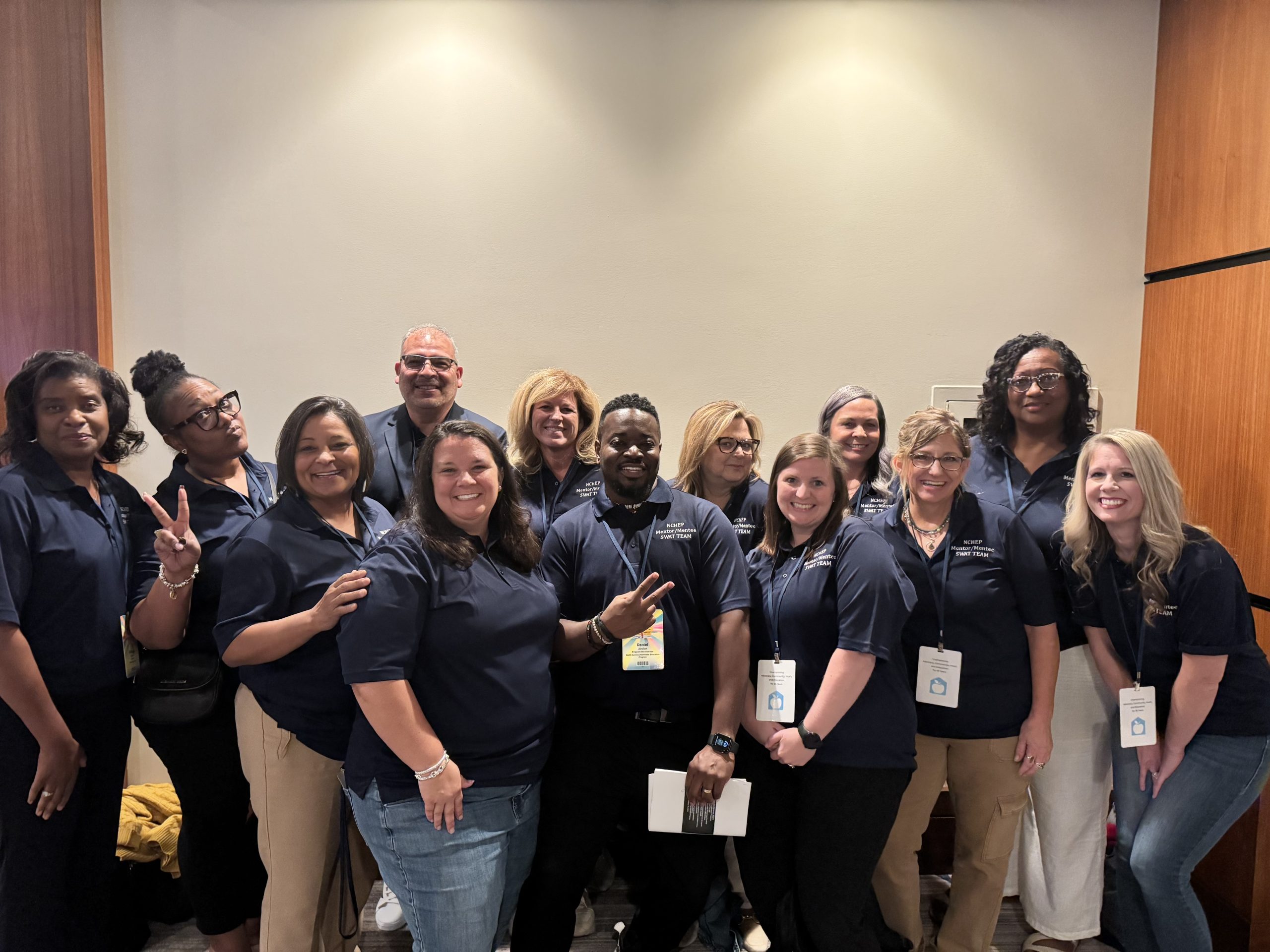
The SWAT TEAM model offers a one-to-one mentoring relationship that includes: 

  • Ongoing interactions between mentors and mentees 
  • Monthly virtual mentor-mentee check-in  
  • Role modeling and shared learning experiences 
  • Tailored strategies that address specific needs  

Whether you’re a new liaison seeking guidance or a veteran leader looking to give back, the NCHEP Mentoring Program provides a meaningful opportunity to connect, learn, and grow. 

Recruiting Opportunities 

We are currently accepting both mentors and mentees to join the SWAT TEAM! 

Become a Mentee 
Are you new to your role as a homeless liaison? Don’t go through it alone. Get connected with an experienced mentor who will support you every step of the way. 

✅ Gain confidence in your role 
✅ Learn best practices from seasoned professionals 
✅ Build your support network 

Apply to Be a Mentee → NCHEP Mentee Application 

Become a Mentor 

Are you an experienced liaison passionate about supporting others? Share your knowledge and make a difference in the professional journey of a new colleague. 

✅ Give back to the liaison community 
✅ Strengthen statewide collaboration 
✅ Enhance your leadership and coaching skills 

Apply to Be a Mentor → NCHEP Mentor Application  

For more information, contact via email: Daniel Jordan  

Duplin County Schools: Packing Hope, One Can at a Time 

Duplin County Schools partners with local and faith-based organizations to provide weekend and summer food backpacks. These efforts ensure students have reliable access to nutritious meals year-round, offering both sustenance and peace of mind for families. 

James Kenan High School’s school social worker and nurse team up to deliver Backpack Buddy food bags—supporting student wellness through partnership and care.

School social worker and dedicated volunteers prepare summer backpack buddy bags to ensure students have nutritious meals when school is out.

Union County Schools: Summer Resource Fair

Union County Schools McKinney-Vento and Family Engagement programs partnered to host a Summer Resource Fair for all Union County School parents. The event featured multiple booths offering valuable resources to support our families and their students. Parents had the opportunity to receive assistance and information on a variety of topics, including: 

  • Awareness of the McKinney-Vento program 
  • Medical resources 
  • Poverty awareness and training 
  • Fire safety education 
  • 4-H Club opportunities 
  • Local summer camps and library programs 
  • Summer food programs 
  • Health services and DSS support 

The evening concluded with each family receiving a large box of food generously provided by the Harvest Food Bank. Many families left the fair not only with helpful information but with tools and resources that will positively impact their children’s summer and educational experience.  

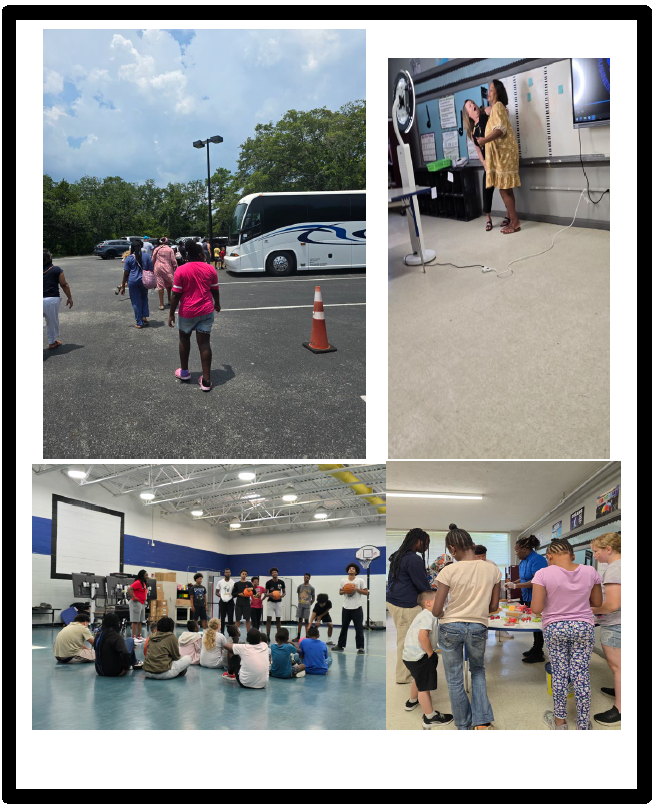
Hoke County Schools: SEED Camp

The Social-Emotional-Environmental Development (SEED) Camp is a summer program aimed at assisting homeless and foster care youth from kindergarten through 12th grade as they face crucial life transitions. This initiative focuses on fostering peer relationships, promoting independence, and enhancing social-emotional understanding through dynamic and interactive learning experiences. By prioritizing Social and Emotional Learning (SEL), the camp nurtures five key competencies: self-awareness, social awareness, and responsible decision-making, self-management, and relationship skills.

Students learn to identify emotional, behavioral, and developmental challenges stemming from trauma and instability, while also developing cultural responsiveness through SEL practices that encourage resilience, safety, and self-regulation.

The district collaborates with community stakeholders to ensure that all children have access to meaningful experiences throughout camp.