Special Populations

NCHEP is committed to ensuring students experiencing homelessness can access a stable, high-quality education. Through strategic collaboration, we provide comprehensive academic and basic supports that create pathways to success, offering the tools and opportunities students need to thrive.

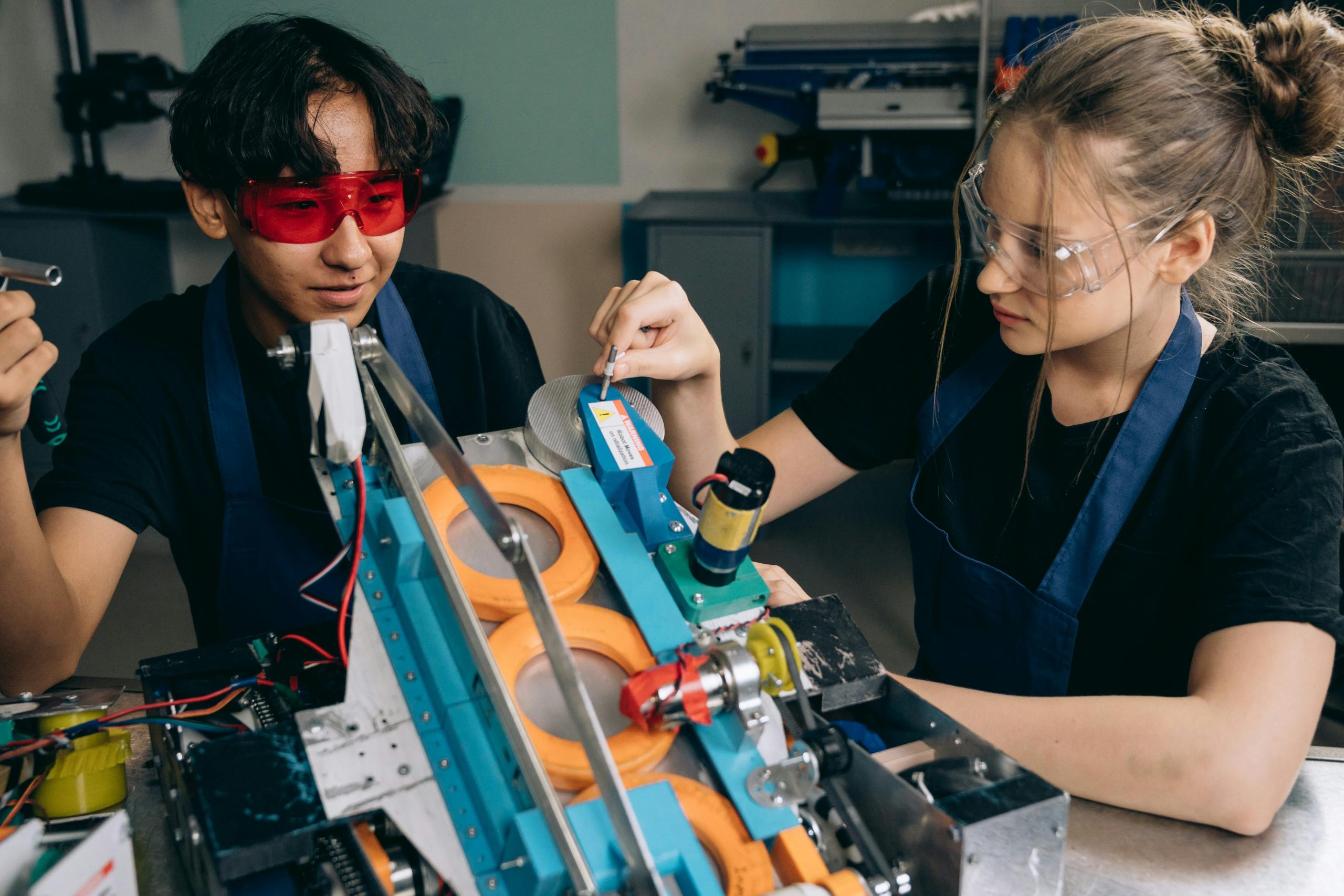
Collaborating with Career and Technical Education (CTE) provides students experiencing homelessness with meaningful access to hands-on learning, workforce skills, and industry certifications that lead to sustainable career pathways. This partnership helps break the cycle of poverty by equipping students with practical tools to succeed in high-demand fields. It also increases student engagement, supports dropout prevention, and promotes long-term stability by connecting education to real-world employment opportunities. Through CTE, homeless students gain not just skills, but hope and a vision for their future. 

  • Dual enrollment access 
  • Vocational certification opportunities 
  • Career counseling for homeless youth 
  • Partnership with community colleges and workforce board 

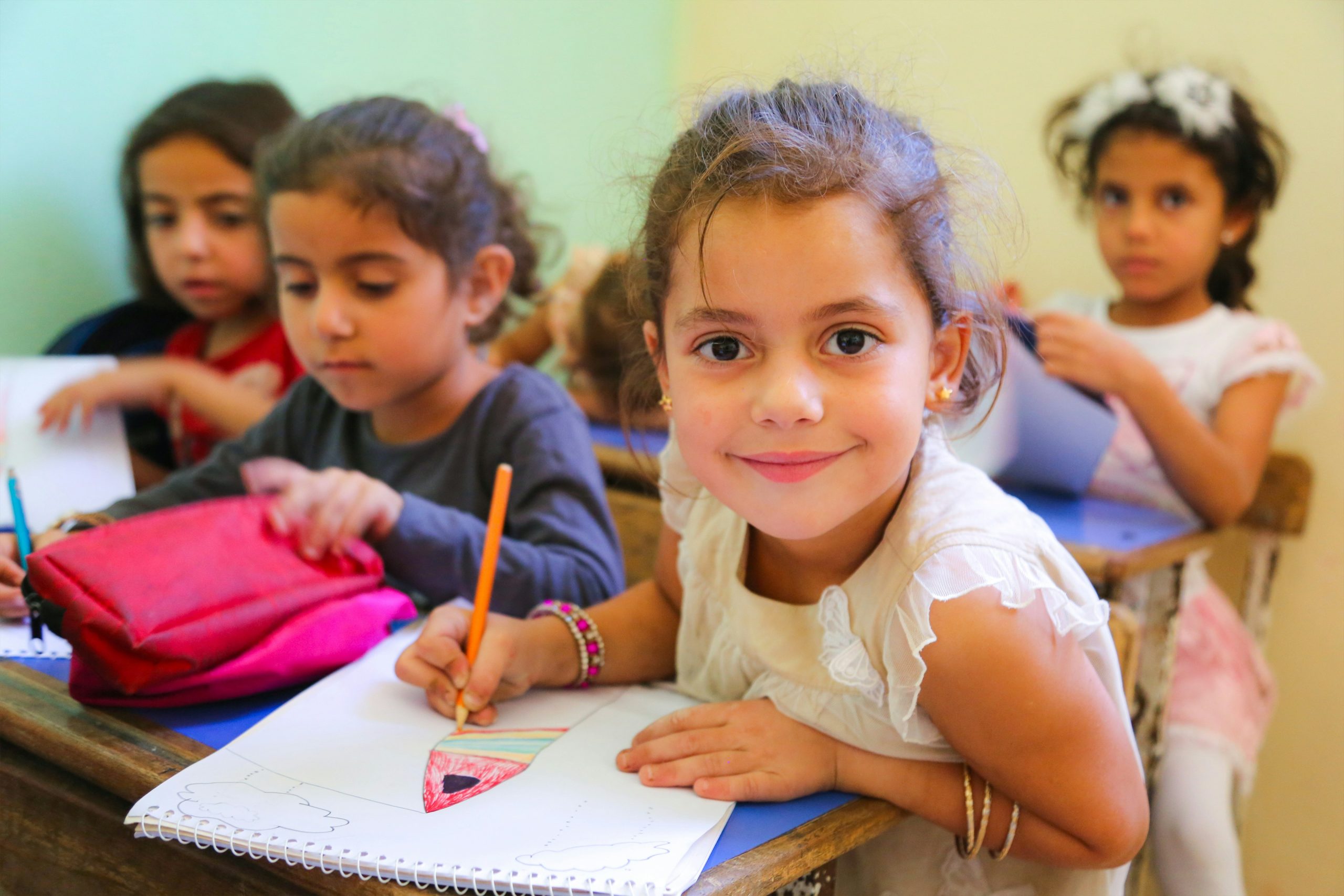
Collaboration between Homeless Education and the Migrant Education Program (MEP) ensures that highly mobile students—many of whom face both housing instability and educational disruption—receive seamless support. By working together, these programs can more effectively identify eligible students, coordinate academic services, and provide culturally responsive outreach to migrant families. This partnership helps eliminate barriers to enrollment, ensures continuity of learning across districts and states, and connects families to vital resources such as transportation, language support, and health services. Together, Homeless Education and MEP create a safety net that promotes educational stability and success for migrant students experiencing homelessness. 

  • Streamlined identification of migrant/homeless overlap 
  • Culturally responsive services 
  • Joint family engagement events 

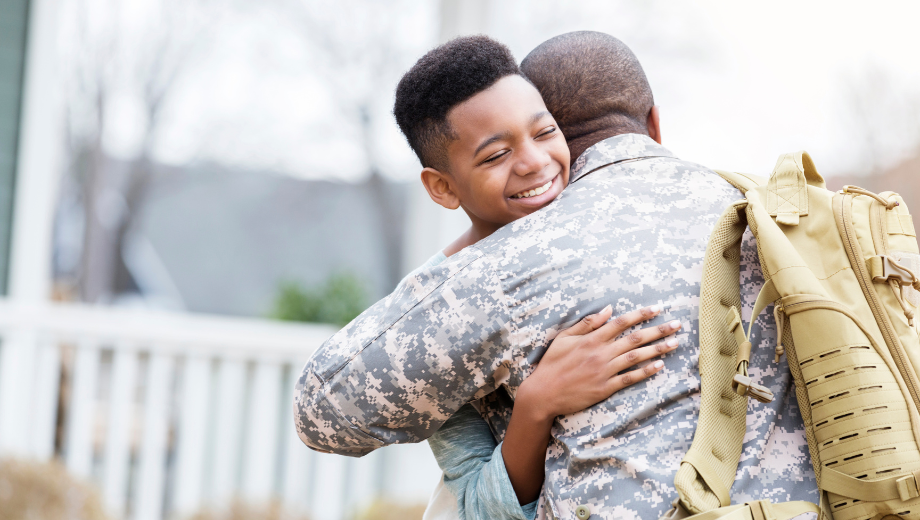
Collaboration between Homeless Education and Military Education strengthens support for students from military families who may face frequent relocations, family deployments, and housing instability. By working together, these programs ensure smoother school transitions, consistent access to educational resources, and timely identification of students in need. Military-connected students experiencing homelessness benefit from coordinated services, including counseling, enrollment assistance, and academic continuity. This partnership promotes stability, resilience, and academic success for one of our most mobile and vulnerable student populations. 

  • Coordination with Military Family Life Counselors (MFLCs) 
  • Awareness of transitional housing and schooling for mobile military families 
  • Joint support for students in military households facing housing instability 

Participation in athletics and other extracurricular activities supports school engagement, academic success, and graduation. For students experiencing homelessness, many barriers can limit access to these activities.

Athletics are considered extracurricular activities when they are school-sponsored or administered. Ensuring access requires intentional collaboration between the district homeless liaison and athletic directors, coaches, and school administrators. The homeless liaison plays a critical role in identifying barriers, advising on allowable supports, and coordinating with athletics staff to develop practical solutions. 

Strategies to Reduce Barriers May Include:

  • Coordinating practice and event schedules

  • Facilitating shared or family-arranged transportation

  • Partnering with community organizations or school sponsors

  • Using creative, non-traditional approaches when appropriate